


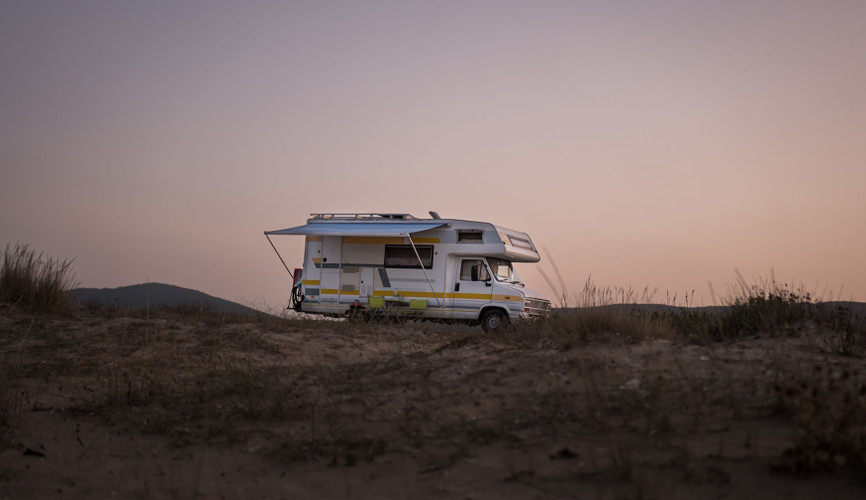
Summer 2026 is shaping up to be one of the busiest seasons yet for van life travel across Europe. From the rugged coastlines of Portugal to the alpine lakes of Slovenia and the scenic countryside routes of France and Italy, more travelers are choosing mobile living as their preferred way to explore. Along with this growing movement comes a rising demand for practical comfort solutions, especially when it comes to hot water access on the road. One of the most searched topics this year is van life water heater Europe summer 2026, reflecting how important comfort and convenience have become for long-distance road trippers.
Modern van life is no longer just about minimalism and survival travel. It has evolved into a lifestyle where mobility meets comfort, and compact water heating solutions are now considered essential rather than optional. Whether it is for quick morning showers, washing dishes after a roadside meal, or cleaning up after a beach stop, having reliable hot water access significantly improves the travel experience.
This guide explores how compact water heating options are shaping van life travel in Europe in 2026, what features matter most for road trippers, and how to choose the right solution for extended summer journeys.
The Rise of Van Life Travel Across Europe in 2026
The popularity of van life continues to grow across Europe, driven by flexibility, affordability, and the desire for nature-based travel. With remote work becoming more common, many travelers are extending their trips from a few weeks into entire summer seasons. Countries like Spain, Croatia, Norway, and Germany are seeing increased numbers of camper vans on highways and scenic routes.
This shift has created a strong demand for compact comfort solutions that do not require permanent installation or complex setup. Travelers want lightweight and portable conveniences that can adapt to different environments, from coastal campsites to mountain parking areas.
Hot water access is one of the most frequently discussed needs among van life communities. While cold-water setups may be acceptable for short trips, extended travel during summer still requires warm showers and hygienic washing options. This is especially important when traveling across regions with varying climates, where mountain areas can still be cold even in July and August.
Why Hot Water Matters for Road Life Comfort
Life on the road can be refreshing and freeing, but it also comes with physical challenges. After long driving hours, hiking excursions, or beach activities, access to warm water becomes more than just comfort; it supports cleanliness, relaxation, and overall well-being.
In European summer travel, temperatures can vary widely between regions. A traveler might experience warm Mediterranean afternoons and chilly Alpine evenings within the same week. This variability makes a reliable hot water solution an important part of trip planning.
Hot water also supports better hygiene during long stays in remote areas where public facilities may be limited. Many van travelers rely on natural water sources or campsite facilities, but these are not always available or convenient. Having personal hot water access reduces dependency on external facilities and allows more freedom in choosing overnight locations.
What Makes a Compact Water Heater Ideal for Van Life
When selecting a compact heating solution for van travel, several practical factors matter more than anything else. Space efficiency is one of the top priorities since vans have limited interior room. Any equipment must be easy to store, easy to mount, or flexible enough to use outdoors without taking up valuable living space.
Energy efficiency is another key consideration. Many van travelers rely on portable gas sources or electrical setups powered by solar setups or vehicle alternators. A good heating solution must balance performance with minimal energy consumption to avoid draining power reserves during long trips.
Quick heating capability is also important. Road life often involves spontaneous stops, and travelers prefer instant or near-instant access to warm water instead of long waiting times. This convenience allows more time for exploration and less time managing equipment.
Safety is equally critical. Since van interiors are small enclosed environments, proper ventilation and safe heat control are essential factors in any water heating choice. European travelers also prioritize compliance with regional safety standards, especially when crossing multiple countries during a single trip.
Popular Hot Water Approaches for Van Travelers
Van life communities across Europe use several approaches to access warm water during travel. Each method offers its own advantages depending on travel style, budget, and space availability.
Some travelers rely on portable gas-powered heaters that can be set up outside the van during use. These are often preferred by long-term travelers who frequently camp in remote areas. They provide strong heating performance and are ideal for outdoor showers or dishwashing setups.
Others prefer electrical heating options powered by onboard batteries or solar energy. These are more common among eco-conscious travelers who prioritize low-emission travel. However, they require careful energy management, especially during cloudy weather or extended off-grid stays.
There are also hybrid approaches where travelers combine solar heating bags for daytime use with portable heating devices for evenings or colder mornings. This flexible approach allows adaptation to different weather conditions across Europe.
Each method reflects a different balance between convenience, portability, and energy use, and many experienced van travelers switch between methods depending on location and season.
Summer 2026 Travel Trends Influencing Water Heating Needs
The summer 2026 travel season is expected to bring higher demand for compact travel comfort solutions due to several emerging trends. One of the strongest trends is the increase in long-distance cross-border van trips. Travelers are no longer staying within a single country but instead exploring multi-country routes that span weeks or months.
This type of travel increases the need for reliable onboard comfort solutions since travelers cannot depend on consistent campsite infrastructure across all regions.
Another major trend is the rise of remote work travelers. Many digital professionals are choosing to work from vans while traveling across Europe. This lifestyle requires consistent hygiene routines and comfortable living conditions to maintain productivity, which makes hot water access even more important.
Eco-friendly travel is also influencing purchasing decisions. Many travelers are choosing energy-conscious equipment that reduces fuel consumption and supports sustainable travel habits. This has led to increased interest in lightweight and efficient heating options that minimize environmental impact while still delivering comfort.
Choosing the Right Compact Water Heating Approach
Selecting the right solution for van life travel depends heavily on travel style and personal priorities. Travelers who frequently stay in remote areas may prioritize portability and strong heating performance, while those who stay in campsites may focus more on energy efficiency and convenience.
It is also important to consider how often hot water is needed during travel. Some travelers only require occasional showers, while others prefer daily access. This usage pattern affects how much energy or fuel capacity should be allocated for heating purposes.
Weather conditions across Europe also play a major role. Northern regions may require more frequent hot water access due to cooler temperatures, while southern regions may focus more on outdoor shower setups for beach and coastal travel.
Storage space is another deciding factor. Van interiors vary significantly in layout, and some travelers may need collapsible or externally mounted solutions to preserve living space inside the vehicle.
Practical Tips for Van Life Water Heating Efficiency
Efficient use of hot water during travel can significantly improve overall comfort while reducing energy consumption. Many experienced travelers recommend heating water during peak solar hours when using solar-supported setups, allowing better energy balance throughout the day.
Showering outdoors whenever possible also helps reduce humidity buildup inside the van, which keeps the living space more comfortable during hot summer months. This is particularly useful in southern European regions where temperatures can rise significantly during July and August.
Planning water use ahead of travel days also helps prevent unnecessary energy waste. Grouping tasks such as dishwashing and showering into specific time windows allows more efficient use of heating resources.
Proper insulation of water storage containers also helps maintain temperature longer, reducing the need for repeated heating cycles during the day.
The Future of Van Life Comfort in Europe
Van life continues to evolve as more travelers embrace long-term mobility across Europe. Comfort-focused innovations are becoming increasingly important as travelers look for ways to extend their journeys without sacrificing basic living standards.
Compact water heating solutions are expected to continue improving in efficiency, portability, and energy optimization. As technology advances, future travelers will likely experience even more flexible and travel-friendly options designed specifically for mobile living.
The growing interest in van life water heater Europe summer 2026 reflects a broader shift toward practical comfort in outdoor travel. Rather than viewing van life as purely minimalist, modern travelers are redefining it as a balanced lifestyle that combines freedom, mobility, and essential comfort.
Final Thoughts
Van life travel in Europe during summer 2026 represents a unique blend of adventure and comfort. As more travelers take to the roads for extended journeys, practical solutions like compact hot water access become essential parts of daily life.
Whether traveling through coastal highways, mountain passes, or rural countryside routes, having reliable access to warm water enhances hygiene, comfort, and overall travel enjoyment. The growing demand for efficient and portable heating solutions highlights how the van life movement continues to evolve into a more sustainable and livable lifestyle.
For road trippers planning their upcoming journeys, investing in a suitable compact heating approach can make the difference between a challenging trip and a smooth, comfortable European adventure.
Frequently Asked Questions (FAQ)
What is the best way to get hot water while doing van life in Europe?
Most van travelers in Europe use compact and portable heating solutions designed for mobility. These allow hot water access for showers, dishwashing, and cleaning while traveling between countries or staying in remote areas.
Is hot water necessary for van life travel during summer?
Even in summer, hot water is still important for hygiene, comfort, and cleaning. Northern and mountainous regions in Europe can still get cold, making warm water useful for daily routines.
How do van travelers heat water without campsite facilities?
Many travelers rely on portable heating setups powered by gas or electricity stored in their vehicle. Some also use solar-supported setups or heat water outdoors to maintain efficiency and ventilation.
What should I consider when choosing a compact water heating option for van life?
Key factors include portability, energy efficiency, heating speed, safety, and available storage space inside the van. Travel style and trip duration also play a major role in choosing the right setup.
Can I use solar power to heat water in a camper van?
Yes, some van travelers use solar energy to support water heating indirectly by powering electrical heating equipment or warming water during peak sunlight hours. However, performance depends on weather conditions and energy storage capacity.
Is it safe to use portable water heating while sleeping inside a van?
Water heating should always follow proper safety guidelines, including ventilation and correct placement. Most travelers operate heating setups outside the living space to reduce risks and maintain airflow.
Do different European countries have different requirements for van life equipment?
Yes, regulations can vary between countries, especially regarding gas use, electrical safety, and camping rules. Travelers crossing borders often check local guidelines before using heating equipment.
What is the biggest trend in van life travel for 2026?
One of the biggest trends is the demand for compact and energy-efficient comfort solutions that support long-term travel. Hot water access remains one of the most important needs among European van travelers.