


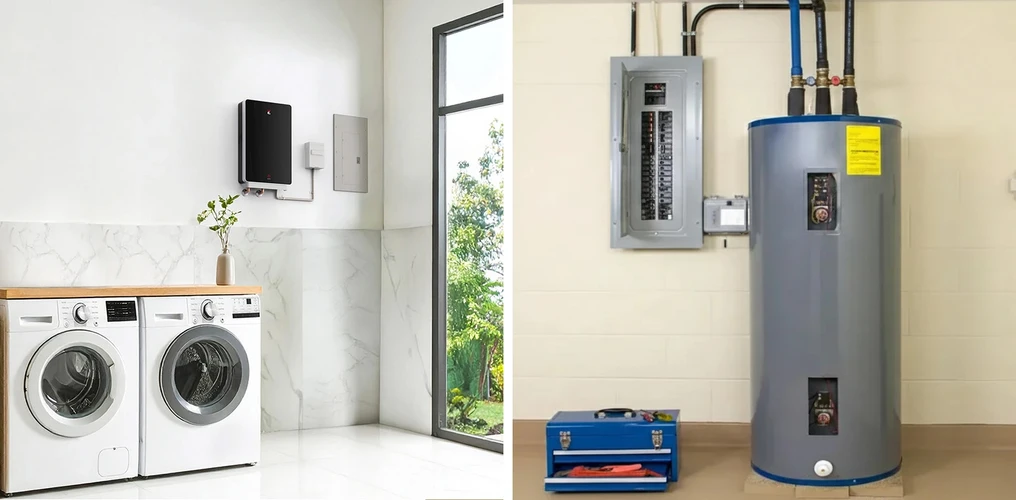
The Shift Happening Across Europe
The European water heating market is undergoing a noticeable transformation, and it is not subtle. Across households, apartments, and even remote cabins, the conversation is shifting from traditional gas-powered systems to modern electric alternatives. This trend is not driven by a single factor but rather a convergence of policy changes, energy efficiency goals, consumer preferences, and technological innovation.
When discussing gas vs electric water heater Europe, it becomes clear that this is no longer just a product comparison. It is a broader reflection of where Europe is heading in terms of sustainability and energy independence. Governments are tightening regulations, energy costs are fluctuating, and homeowners are becoming more conscious of their environmental footprint. In this environment, electric water heating is not just gaining popularity; it is steadily becoming the default choice.
Why Gas Water Heaters Dominated for So Long
Gas water heaters have historically been the preferred option across Europe for several reasons. They offered strong heating performance, especially in colder climates, and were often more cost-effective in regions where natural gas infrastructure was well established. For decades, gas systems were seen as reliable and capable of delivering consistent hot water even under demanding conditions.
Another reason for their dominance was the perception of faster heating. Many households believed that gas systems provided quicker recovery times compared to early electric models. This made them particularly appealing for larger homes or families with high hot water usage.
However, the landscape that once favored gas systems is rapidly changing. The advantages that once defined gas water heaters are being challenged by modern electric technology.
The Rise of Electric Water Heating Technology
Electric water heaters today are not what they were ten or even five years ago. Innovations in tankless technology, digital controls, and energy efficiency have significantly improved their performance. Modern electric systems are capable of delivering consistent hot water on demand without the inefficiencies associated with storage-based systems.
One of the biggest advancements is the ability to heat water instantly. This eliminates standby heat loss, which has long been a drawback of traditional systems. Electric tankless designs, especially those from brands like Eccotemp, are engineered to provide hot water only when needed, making them far more energy-efficient in real-world usage.
Additionally, electric systems are becoming smarter. With digital displays, precise temperature control, and integration with smart home systems, users now have more control than ever over their water heating experience.
European Policies Are Accelerating the Transition
One of the most significant drivers behind the shift from gas to electric water heating is government policy. Across the European Union, there is a strong push to reduce carbon emissions and move toward cleaner energy sources. This includes stricter regulations on gas appliances and incentives for adopting energy-efficient electric systems.
In many countries, new building codes are discouraging or even restricting the installation of gas-powered systems in new homes. Renovation projects are also being influenced by subsidies and rebates that favor electric solutions. These policies are not temporary; they are part of a long-term strategy to decarbonize residential energy use.
As a result, homeowners are not just choosing electric systems because they want to. In many cases, they are choosing them because it is the most future-proof option available.
Energy Efficiency Is No Longer Optional
Energy efficiency has moved from being a desirable feature to an essential requirement. Rising energy costs across Europe have made homeowners more conscious of how much they are spending on utilities. Water heating is one of the largest contributors to household energy consumption, which makes efficiency a top priority.
Electric tankless systems stand out in this area. By heating water only when needed, they avoid the continuous energy consumption associated with maintaining a tank of hot water. This translates into lower energy usage and reduced monthly costs over time.
Eccotemp, in particular, has positioned itself as a leader in this space by offering electric tankless solutions that combine performance with efficiency. Their designs are tailored to meet the needs of modern European homes, where space, energy use, and sustainability all play a critical role.
Environmental Impact: Gas vs Electric
The environmental argument is one of the strongest factors influencing the shift. Gas water heaters rely on fossil fuels, which contribute to greenhouse gas emissions. Even the most efficient gas systems still produce carbon dioxide as a byproduct of combustion.
Electric water heaters, on the other hand, have the potential to operate with significantly lower emissions, especially as Europe continues to expand its use of renewable energy sources like wind and solar. When powered by clean electricity, electric systems can drastically reduce a household’s carbon footprint.
This is a key reason why governments and environmental organizations are advocating for the transition. It aligns with broader climate goals and helps move Europe closer to achieving its net-zero targets.
Installation and Flexibility Advantages
Another area where electric water heaters are gaining an edge is installation flexibility. Gas systems require ventilation, gas lines, and compliance with strict safety regulations. This can make installation more complex and costly, particularly in apartments or older buildings.
Electric systems are far more versatile. They do not require venting, and their compact design makes them ideal for small spaces. This is particularly important in European cities, where living spaces are often limited.
Eccotemp’s electric tankless models are designed with this flexibility in mind. Their compact size and straightforward installation process make them a practical choice for both new constructions and retrofits.
Performance in Cold European Climates
One of the lingering concerns about electric water heaters has been their performance in colder climates. However, advancements in technology have largely addressed this issue. Modern electric systems are capable of maintaining consistent performance even when incoming water temperatures are low.
Eccotemp has focused on optimizing performance for a variety of conditions, ensuring that users can rely on consistent hot water regardless of the season. This is particularly important in regions where winter temperatures can significantly impact water heating efficiency.
The gap between gas and electric performance is narrowing, and in many cases, electric systems are proving to be just as reliable.
Cost Considerations: Short-Term vs Long-Term
When comparing gas vs electric water heater Europe, cost is always part of the conversation. Gas systems may still have a lower upfront cost in some cases, but this advantage is becoming less significant as electric technology becomes more accessible.
More importantly, long-term costs are where electric systems shine. Lower energy consumption, reduced maintenance requirements, and potential government incentives all contribute to better overall value. Electric systems also tend to have fewer mechanical components, which can translate into longer lifespans and fewer repairs.
Eccotemp’s approach focuses on delivering long-term savings without compromising on performance. This makes their electric solutions an attractive option for homeowners looking to balance cost and efficiency.
Are Gas Water Heaters Becoming Obsolete?
The idea that gas water heaters are becoming obsolete is not entirely exaggerated, but it is also not absolute. Gas systems are still in use and will likely remain part of the market for years to come, especially in regions with established infrastructure.
However, their dominance is clearly declining. The combination of policy pressure, environmental concerns, and technological advancements is steadily shifting the balance in favor of electric systems. For new installations, electric is increasingly becoming the preferred choice.
In this sense, gas water heaters are not disappearing overnight, but they are losing relevance in a rapidly evolving market.
Why Eccotemp Is Positioned for the Future
As the market transitions, brands that embrace innovation and efficiency are leading the way. Eccotemp stands out by offering electric tankless solutions that align with Europe’s evolving needs. Their focus on energy efficiency, compact design, and reliable performance makes them a strong contender in the shift toward electric water heating.
What sets Eccotemp apart is its ability to combine practicality with forward-thinking design. Their products are not just about meeting current demand; they are built to adapt to future trends and regulations.
For homeowners navigating the transition from gas to electric, choosing a brand that understands these dynamics can make all the difference.
The Bottom Line: A Transition That Cannot Be Ignored
The debate around gas vs electric water heater Europe is no longer theoretical. It is playing out in real time across homes, policies, and markets. Electric water heating is gaining momentum, and the factors driving this shift are only becoming stronger.
While gas systems are not entirely obsolete yet, their role is diminishing. Electric solutions are proving to be more aligned with Europe’s goals of sustainability, efficiency, and innovation. For homeowners, the decision is becoming less about preference and more about practicality.
As Europe continues to evolve, one thing is clear: electric water heating is not just the future. It is quickly becoming the present.
Frequently Asked Questions (FAQ)
What is better in Europe: gas or electric water heaters?
The answer increasingly favors electric systems. While gas water heaters have traditionally been reliable, electric models are now more aligned with European energy policies, efficiency standards, and sustainability goals. For most modern homes, electric tankless systems offer better long-term value and compliance with evolving regulations.
Are gas water heaters being banned in Europe?
Not entirely, but restrictions are tightening. Many European countries are limiting or discouraging the installation of gas systems in new buildings. Incentives and regulations are pushing homeowners toward electric alternatives, making gas less practical for future installations.
Do electric water heaters cost less to run than gas in Europe?
In many cases, yes. Electric tankless systems only heat water when needed, which reduces wasted energy. Combined with rising gas prices and improved electric efficiency, many households find that electric systems lead to lower overall energy costs over time.
Can electric water heaters handle cold European climates?
Modern electric systems are designed to perform well even in colder regions. Advanced heating elements and optimized designs allow consistent hot water delivery despite low incoming water temperatures. Brands like Eccotemp have developed solutions specifically suited for varying climate conditions.
Are electric water heaters more environmentally friendly than gas?
Yes, especially when powered by renewable energy sources. Electric systems do not produce direct emissions, unlike gas heaters that rely on combustion. As Europe increases its use of clean energy, electric water heating becomes an even more eco-friendly option.
Is it expensive to switch from gas to electric water heating?
The upfront cost can vary depending on the home setup, but installation is often simpler since electric systems do not require venting or gas lines. Over time, energy savings and reduced maintenance can offset the initial investment, making the switch financially worthwhile.
Do electric tankless water heaters provide enough hot water for a whole home?
Yes, as long as the system is properly sized for the household’s needs. Modern electric tankless designs can deliver continuous hot water, making them suitable for apartments, small homes, and even larger households when correctly configured.
Why are electric tankless systems becoming popular in Europe?
Their popularity is driven by energy efficiency, compact design, ease of installation, and alignment with environmental goals. They also fit well in smaller living spaces, which are common across European cities.
How does Eccotemp compare to other electric water heater brands?
Eccotemp stands out by focusing on efficiency, portability, and user-friendly design. Their electric tankless systems are built for modern living, offering reliable performance while meeting the growing demand for sustainable and space-saving solutions.
Should I replace my gas water heater now or wait?
If your current system is still functioning well, you may not need to replace it immediately. However, if you are planning a renovation, building a new home, or dealing with an aging system, switching to an electric option like Eccotemp is a future-proof decision that aligns with Europe’s energy direction.