


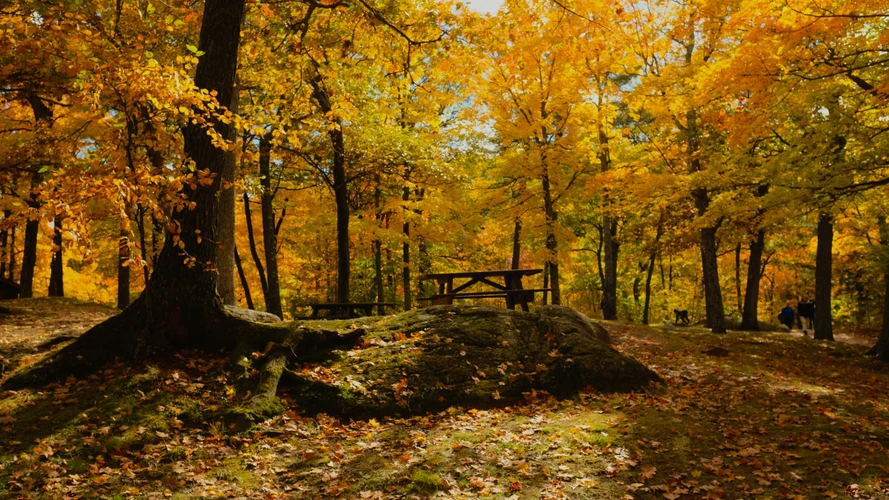
Autumn is a beautiful time to explore Europe, especially for campers, campervan travellers and outdoor enthusiasts looking for quieter destinations and cooler temperatures. As summer crowds begin to disappear, forests take on their autumn colours, countryside roads become less busy, and campsites can offer a more peaceful outdoor experience. However, autumn camping also brings colder mornings, cooler evenings and lower water temperatures, which can make everyday tasks such as showering more challenging. Having access to a reliable source of hot water can make an autumn camping trip much more comfortable, particularly when you have spent the day hiking, cycling, exploring or travelling off-grid.
A portable hot water shower can provide a convenient way to enjoy warm water without depending on permanent plumbing or a traditional indoor water-heating installation. With the right setup, campers can draw water from a suitable container or other appropriate source, use a pump to provide the necessary water flow, and connect the water supply to a portable heater before directing the heated water to an outdoor shower. For autumn camping in Europe, however, the system needs to be planned carefully because colder incoming water, changing weather conditions and freezing temperatures can affect how the equipment should be used and stored.
The Eccotemp CEL5 and CEL10 portable water heaters can be suitable options for outdoor hot water applications when used according to their instructions and in an appropriate outdoor environment. When combined with an EccoFlo pump and compatible shower accessories, they can provide a practical solution for campers who want hot water during autumn weekends, campervan trips and off-grid adventures.
Why Autumn Camping Requires a Different Hot Water Setup
Autumn camping can create different hot water challenges compared with summer camping because the water entering the heater is often much colder. During warm summer weather, water stored in a container may naturally become warmer throughout the day, reducing the difference between the incoming water temperature and the desired shower temperature. In autumn, water can remain noticeably cold, particularly during early mornings, late evenings and trips to colder or higher-altitude areas.
A portable water heater has to raise the temperature of the incoming water before it reaches the shower. When the incoming water becomes colder, the heater has to provide a greater temperature increase to achieve the same outlet temperature. This means campers may notice a difference in shower performance when travelling during October or November compared with a warm summer weekend.
Colder conditions can also affect the overall camping experience. After spending several hours outdoors in cool weather, rain or strong winds, having access to warm water can be particularly valuable. A hot shower can make it easier to clean up after hiking, cycling or outdoor activities while providing a comfortable way to end the day.
For this reason, preparing an autumn camping shower should involve more than simply bringing a portable heater. The water source, pump, hoses, heater location, shower accessories and drainage process should all be considered before the trip.
Choosing a Suitable Water Source
The water source is one of the most important parts of an off-grid hot water shower. Campers staying at established campsites may have access to a suitable mains water connection or designated water supply. If a pressurised water connection is available and compatible with the equipment, it may provide a straightforward way to supply the portable heater.
For campervan travellers and campers staying away from mains water, carrying water in a suitable clean container can provide greater flexibility. A portable water container can be positioned near the shower system and connected to a suitable pump, allowing water to be transported from the container to the heater.
The amount of water needed will depend on the number of people using the shower and the other activities for which the water will be used. A person travelling alone for a weekend may require considerably less water than a family using the same setup for several days. Planning the available water supply before leaving can help prevent unnecessary water consumption.
Water containers should be kept clean and protected from contamination. When possible, containers should remain covered and should not be placed directly in areas where dirt, mud or other contaminants can enter the water. Campers should also follow local campsite rules and environmental guidance concerning water collection and wastewater disposal.
Maintaining Adequate Water Pressure
Water pressure is another important consideration when setting up a portable camping shower. A tankless water heater relies on water flowing through the heater, so simply placing a hose into a water container may not provide the flow required for proper operation.
An appropriate pump can help solve this problem by drawing water from a container and delivering it to the water heater. The EccoFlo pump can be useful for portable and off-grid water applications where there is no convenient pressurised water connection.
Before travelling, campers should test the complete water system at home. Testing the water container, pump, hoses, fittings, heater and shower head together can help identify leaks or connection problems before arriving at the campsite. It is much easier to correct a problem at home than when standing outside in cold autumn weather.
Water flow can also be affected by long hoses, restrictive fittings and unnecessary bends. Keeping the water pathway as simple as practical can help the system operate more efficiently. All components should be compatible with one another and operated according to their respective instructions.
Positioning the Portable Heater Safely Outdoors
A portable gas water heater must be positioned and operated safely. Outdoor portable gas heaters should be used outdoors in an appropriate open-air environment and should never be operated inside a tent, campervan, caravan, vehicle, enclosed awning or other enclosed space unless the specific product is expressly designed and approved for that environment.
Combustion appliances require appropriate ventilation, and exhaust gases must be allowed to disperse safely. Positioning a portable heater inside an enclosed area can create serious safety risks.
When setting up an outdoor heater, choose a stable and level location that is away from tents, sleeping areas, fuel containers, dry vegetation and other flammable materials. The heater should remain accessible so that the operator can monitor the equipment while it is operating.
The shower itself can be positioned separately from the heater. This allows the shower area to be arranged for privacy and convenience while the heater remains in an appropriate outdoor location.
Autumn camping also means that daylight disappears earlier. Setting up the heater, pump and shower system before sunset can make it easier to inspect the equipment, identify potential hazards and confirm that all connections are secure.
Managing Colder Incoming Water
Cold incoming water is one of the most important considerations when using a portable water heater during autumn camping. The colder the water entering the heater, the greater the temperature increase required to produce warm shower water.
For example, water stored outside overnight may be significantly colder in the morning than water stored during a summer afternoon. This means campers may need to adjust their expectations and manage the water flow appropriately.
Depending on the heater and operating conditions, reducing water flow can allow the heater more time to raise the water temperature. However, the heater should always be operated within its specified flow range and according to the manufacturer's instructions.
Campers should avoid making sudden or excessive adjustments to temperature or flow settings. Instead, the system should be adjusted gradually while monitoring the water temperature.
The weather should also be considered when planning the shower. A shower that is comfortable in mild autumn weather may require different settings when temperatures fall significantly. Incoming water temperature, outdoor temperature, water flow and the desired outlet temperature all influence the final result.
Comparing the Eccotemp CEL5 and CEL10
The Eccotemp CEL5 and CEL10 provide different flow capacities, making them suitable for different outdoor hot water requirements. Choosing between them depends on how the heater will be used, how much water is available and how much flow is desired from the shower.
The Eccotemp CEL5 provides a flow rate of up to 5 litres per minute and can be a practical option for personal outdoor showers, weekend camping trips and situations where a lower water demand is preferred. Its capacity can make it suitable for campers who want a portable hot water solution without requiring a high-flow shower.
The Eccotemp CEL10 provides a flow rate of up to 10 litres per minute and can be considered when a higher flow rate is required. It can be useful for larger outdoor hot water requirements, including campervan trips, family camping and situations where more water flow is preferred.
The difference between the two models does not mean that one is automatically suitable for every camper. The CEL5 can make sense for a lower-demand setup where water conservation is important, while the CEL10 may be more appropriate for campers who want greater flow and have a sufficient water supply.
When camping off-grid, the available water supply should always be considered alongside the heater's maximum flow rate. A higher flow rate can use available water more quickly, so campers should balance shower comfort with the amount of water they are able to carry or access.
Using the EccoFlo Pump for Off-Grid Hot Water
The EccoFlo pump can help create a portable water system when a pressurised mains water supply is unavailable. Instead of relying on gravity alone, the pump can draw water from an appropriate container and deliver it toward the portable water heater.
A typical setup can involve a clean water container connected to the pump, the pump connected to the heater and the heater connected to the shower outlet. The exact configuration should always follow the instructions for the equipment being used.
Before starting the shower, the camper should make sure the water container contains enough water for the planned use. The pump should be properly connected and powered, while hoses and fittings should be checked for leaks.
Electrical connections should also be kept away from water and protected appropriately. Campers should follow the pump manufacturer's instructions and use the equipment only within its intended operating conditions.
Testing the complete system before travelling can help ensure that the pump provides the necessary water flow for the heater. This is particularly important during autumn because troubleshooting a water system in cold rain or darkness is considerably less convenient than doing it at home.
Creating a Comfortable Outdoor Shower Area
A good outdoor shower setup should provide more than just hot water. Privacy, stability and appropriate wastewater management are also important considerations.
Compatible shower accessories can help make a portable shower more practical for camping. An outdoor shower enclosure such as the Eccotemp Ecco Tent can provide privacy while creating a dedicated space for showering.
The Ecco Spray can also be used as part of an appropriate portable shower arrangement. Having the right accessories can make it easier to organise the shower area and keep the water directed where it is needed.
The shower location should be selected carefully. Avoid positioning the shower directly beside the tent entrance, campervan door or cooking area, particularly if the ground is likely to become muddy.
Wastewater should also be managed responsibly. Campers staying at established campsites should follow the site's rules concerning outdoor showers and wastewater. When camping in remote areas, local environmental regulations and responsible camping practices should be followed, particularly near streams, lakes and other natural water sources.
Managing Water Consumption
Water conservation becomes especially important when camping off-grid because every litre may need to be carried to the campsite.
The CEL5's lower maximum flow rate can be useful for campers who want to keep water consumption under control while still enjoying a warm outdoor shower. The CEL10 provides a higher maximum flow rate, but operating a shower at a higher flow can also consume water more quickly.
The easiest way to manage consumption is to avoid unnecessarily long showers. Turning the water off when it is not needed and using only the amount required for washing can extend the available water supply.
Campers should also consider other uses for their water, such as cleaning equipment, washing dishes or rinsing footwear. If the available water supply is limited, planning these activities in advance can help ensure that enough water remains for personal hygiene.
Protecting the Heater During Cold Autumn Nights
Autumn weather can change quickly, and temperatures can drop significantly after sunset. Even if the afternoon feels relatively mild, overnight conditions can become cold enough to create concerns about water remaining inside the equipment.
For this reason, campers should follow the manufacturer's instructions for shutting down and draining the portable water heater after use.
Leaving water inside the heater or hoses when temperatures may approach freezing can create unnecessary risks. Water expands when it freezes, which can potentially damage components that are not designed to withstand freezing conditions.
The heater should therefore be drained according to its instructions after use, particularly when camping in areas where freezing temperatures are expected.
Hoses and other parts of the portable water system should also be checked for trapped water. Before storing the equipment in a campervan or other enclosed storage area, make sure it has been properly shut down, drained and stored according to the manufacturer's instructions.
Draining the Heater After Every Trip
Draining the heater should become part of the normal routine when using a portable hot water system during autumn.
After the shower is finished, the heater should be shut down following the manufacturer's recommended procedure. The water supply should then be disconnected and the heater drained as instructed.
Any water remaining in connected hoses should also be removed where appropriate. This is especially important when the equipment will be stored overnight in cold conditions.
For campers travelling between locations, draining the system before packing it away can also reduce the chance of water leaking into storage compartments or other camping equipment.
Taking a few minutes to properly shut down and drain the system can help make the equipment easier to transport and prepare for the next use.
Preparing for Rain and Wind
Rain and wind are common considerations during autumn camping in Europe. Outdoor equipment should therefore be positioned with the weather in mind.
The portable heater should remain in an appropriate open outdoor location and should never be placed inside an improvised enclosure simply to protect it from rain or wind. Any protective arrangement must not interfere with the heater's required ventilation, clearances or safe operation.
The shower enclosure and other camping accessories should also be secured appropriately according to their instructions. Strong winds can affect lightweight equipment, so campers should take reasonable precautions to prevent equipment from moving or becoming damaged.
When severe weather creates unsafe conditions, it is better to wait for suitable conditions rather than attempting to operate equipment in an unsuitable environment.
Portable Hot Water for Campervan Trips
Campervan travellers can particularly benefit from a portable hot water setup because it provides flexibility without requiring a permanent installation.
A portable heater can be transported between campsites and used when an outdoor hot water source is needed. This can be useful when travelling through rural areas, staying at campsites without convenient shower facilities or spending time away from mains water.
The setup can be planned around the campervan's available storage space and water supply. A water container, EccoFlo pump, portable heater, hoses and shower accessories can be organised so that the system can be assembled when required.
Planning the layout before arriving at the campsite can make the process much easier. Campers should know where the water container will be placed, where the pump will operate, where the heater can be positioned safely and where the shower area will be located.
More Uses for Portable Hot Water
A portable hot water shower system can also provide warm water for activities beyond personal showering. Campers may find hot water useful for rinsing muddy boots, cleaning outdoor equipment or washing other camping gear after a day outside.
This can be particularly useful during autumn when wet leaves, mud and rain can make outdoor activities messier.
However, additional hot water uses will increase overall water consumption. Campers should therefore consider the amount of water available before using the shower system for cleaning tasks.
Responsible wastewater management is also important. Heated water and cleaning products should not simply be discharged into natural waterways. Campsite rules and local environmental requirements should always be followed.
Planning an Autumn Camping Hot Water Setup
A successful autumn camping shower begins before the trip. The water source should be identified, the available water quantity should be estimated and the pump and heater should be tested together.
The camper should also consider the expected outdoor temperature and incoming water temperature. Colder water may require adjustments to the shower flow and temperature settings.
The heater should be positioned in a safe outdoor location with adequate ventilation and appropriate clearance from tents, vehicles, fuel and other flammable materials.
The shower area should provide privacy while allowing wastewater to be managed responsibly. Compatible accessories can make the setup more convenient and comfortable.
After each use, the heater should be shut down and drained according to its instructions. Hoses and other components should also be drained where necessary, particularly when freezing temperatures are possible.
Making Autumn Camping More Comfortable
Autumn camping in Europe offers an opportunity to enjoy the outdoors without the intense heat and crowds associated with summer. For many campers, however, colder temperatures can make access to warm water particularly important.
A portable hot water system can provide a practical solution for autumn weekends, campervan journeys and off-grid adventures. The key is to think about the entire water system rather than the heater alone.
A suitable water source provides the starting point, while an appropriate pump can help maintain the water flow required by the heater. Safe outdoor positioning protects the camping environment and allows the gas heater to operate in an appropriate setting. Managing colder incoming water can help campers achieve more comfortable shower temperatures, while proper draining after use can help protect the equipment when temperatures drop.
The Eccotemp CEL5 can be a practical option for campers who need a lower-flow portable hot water solution, while the CEL10 can provide a higher flow rate for outdoor situations with greater hot water demand. Pairing either heater with an appropriate EccoFlo pump and compatible shower accessories can create a flexible setup for camping and campervan adventures.
With the right preparation, colder autumn temperatures do not have to mean sacrificing the comfort of a warm shower. By choosing the right water source, maintaining suitable water pressure, positioning the heater safely, managing cold incoming water and draining the system after use, campers can enjoy a more comfortable and convenient outdoor experience throughout the European autumn season.
Frequently Asked Questions
Can I use a portable water heater for autumn camping in Europe?
A suitable portable water heater can be used for outdoor hot water applications during autumn camping when it is installed and operated according to the manufacturer's instructions. The heater should be used only in an environment appropriate for the specific model.
Why does my camping shower feel colder during autumn?
The incoming water is generally colder during autumn than during summer, which means the heater has to raise the water temperature by a greater amount. This can affect the outlet temperature and available flow depending on the operating conditions.
Do I need a pump for an off-grid camping shower?
A pump can be useful when the available water source is a container without enough pressure to supply the heater. The EccoFlo pump can help move water from an appropriate container toward the portable water heater.
What is the difference between the CEL5 and CEL10?
The CEL5 provides a maximum flow rate of up to 5 litres per minute, while the CEL10 provides a maximum flow rate of up to 10 litres per minute. The CEL5 can be suitable for lower-demand personal showers, while the CEL10 can be useful when greater water flow is desired.
Can I use a portable gas water heater inside my campervan?
A portable gas water heater intended for outdoor use should not be operated inside a campervan, caravan, tent or other enclosed area. Gas appliances require appropriate ventilation and safe exhaust dispersion, so the manufacturer's operating requirements should always be followed.
How can I maintain water pressure while camping off-grid?
Using a suitable pump and keeping the water pathway as straightforward as possible can help maintain appropriate water flow. Campers should also check hoses and fittings for leaks and make sure the pump and heater are being operated within their specified requirements.
Why is cold incoming water important when camping?
Cold incoming water means the heater has to provide a greater temperature increase to reach the desired shower temperature. This can affect the relationship between water flow and outlet temperature, particularly during colder autumn mornings and evenings.
Should I drain my portable water heater after camping?
The heater should be shut down and drained according to the manufacturer's instructions after use. Draining becomes particularly important when temperatures may approach freezing because residual water can potentially freeze inside components.
Can I use a portable hot water heater for cleaning camping equipment?
Portable hot water can be useful for outdoor cleaning activities such as rinsing muddy footwear and equipment when the application is appropriate. Campers should conserve water and manage wastewater responsibly.
Is the CEL5 suitable for campervan trips?
The CEL5 can be a practical portable hot water option for campervan travellers who have moderate hot water requirements and want a lower-flow shower setup. The actual suitability depends on the camper's water supply, pump, shower requirements and operating conditions.
Is the CEL10 suitable for family camping?
The CEL10 provides a higher maximum flow rate than the CEL5 and can be useful for outdoor situations with greater hot water demand. Families should consider their available water supply and expected usage when choosing a portable heater.
Can I use a portable shower when temperatures are very cold?
A portable shower can be used in cooler weather when the equipment is suitable for the conditions and operated according to its instructions. When freezing temperatures are possible, particular attention should be given to draining and storing the heater and water system after use.