


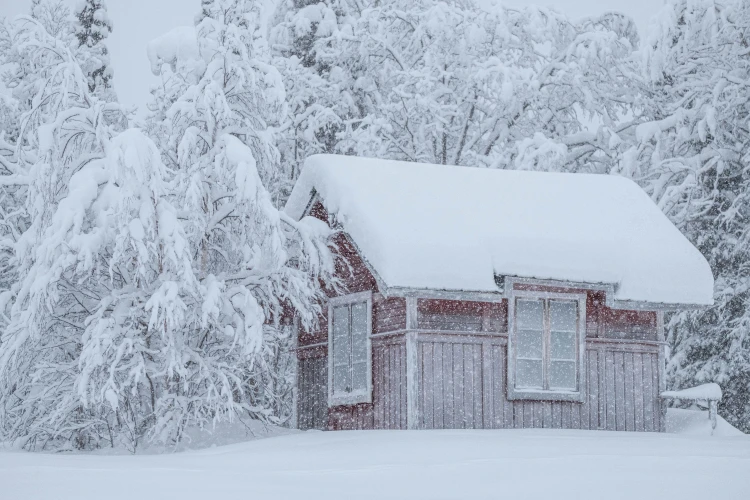
When you close a holiday home for winter, preparing the property for cold weather involves more than locking the doors and switching off the electricity. A countryside cottage, rural retreat, holiday cabin, or seasonal property can remain empty for weeks or even months, allowing temperatures inside to fall significantly. During this time, water left inside plumbing, pipes, pumps, or a water heater can become vulnerable to freezing.
For homeowners in Europe, holiday home winterisation should be treated as an important part of preparing a seasonal property for its period of vacancy. Even if the property is located in an area where temperatures usually remain moderate, an unexpected cold spell can create freezing conditions in exposed plumbing or unheated rooms.
Water expands when it freezes. When water trapped inside a plumbing component freezes and expands, it can place considerable pressure on internal passages, fittings, connections, and other components. This is why water heater freeze protection is particularly important when a property will not be occupied for an extended period.
If your holiday cottage uses an Eccotemp portable water heater, complete drainage and appropriate storage are especially important. Portable water heaters should not simply be left connected to a water supply and assumed to be protected because the property has been shut down. They should be drained completely and stored in a location protected from freezing temperatures.
This guide explains how to winterise a holiday cottage or other seasonal property, with particular attention to water heaters and plumbing systems that may remain unattended throughout the colder months.
Why an Unoccupied Holiday Home Needs Extra Winter Preparation
A permanently occupied home has one major advantage during cold weather: someone is usually there to notice a problem.
If a pipe begins freezing, a homeowner may notice reduced water flow, unusual noises, leaks, or changes in temperature. Heating can be adjusted, water can be shut off, and a problem can potentially be addressed before it becomes more serious.
A vacant holiday property does not have that same protection.
A cottage might be closed at the end of October and not visited again until March. During that period, nobody may be present to monitor indoor temperatures or check the plumbing. A single cold-weather event can therefore expose the property's plumbing and water-heating equipment to freezing conditions for several hours or days.
The situation can be even more challenging for rural retreats and countryside cabins. These properties may have exposed pipework, external water connections, utility rooms without heating, or water heaters installed in areas that are not maintained at normal household temperatures.
For this reason, holiday home winterisation should focus on removing or protecting water from vulnerable areas rather than simply turning off appliances.
What Happens When Water Freezes Inside a Water Heater?
Water behaves differently when it changes from a liquid to a solid. As water freezes, it expands. If that water is trapped inside a confined component, the expansion can create pressure against internal surfaces and connections.
The risk is not limited to the main water chamber of a heater. Depending on the installation, water can remain in inlet and outlet connections, hoses, pumps, filters, valves, fittings, and other parts of the plumbing system.
This is particularly relevant to a holiday property because the heater may remain untouched for a prolonged period.
A homeowner who visits the cottage after several months might discover a problem only when reconnecting the water supply. Damage may not always be obvious from the outside, which makes preventative winterisation much more practical than waiting until spring to discover an issue.
The safest approach is to follow the manufacturer's instructions for the specific water heater and installation, and to make sure water is removed from components that could be exposed to freezing temperatures.
Start Your Winterisation Before You Leave
One of the easiest mistakes to make is waiting until the day you leave to think about winter preparation.
Give yourself enough time to work through the property's plumbing systematically. A rushed shutdown increases the possibility of leaving water in a hose, pump, filter, outdoor connection, or water heater.
Before closing the property, identify all of the locations where water can remain.
This may include the main domestic plumbing, external taps, shower hoses, garden connections, pumps, filters, water heaters, and portable water-heating equipment.
If your holiday home has more than one water source or water-heating arrangement, treat each system separately. Do not assume that draining one part of the plumbing automatically drains another.
Shut Off the Main Water Supply
The first step for many seasonal properties is to shut off the main water supply before the property is left vacant.
Turning off the supply reduces the amount of water available to enter the plumbing while the property is unattended. However, shutting off the water does not automatically remove water that is already trapped inside pipes or appliances.
After shutting off the supply, open appropriate taps or outlets according to your plumbing setup to help relieve pressure and allow water to drain.
The exact procedure can vary depending on the property's plumbing configuration, so homeowners should follow the instructions provided for their installation.
Drain the Plumbing System Where Appropriate
Simply switching off the water supply is not the same as winterising the plumbing.
Water can remain inside sections of pipe even after the main supply has been turned off. Outdoor plumbing is particularly important because pipes, hoses, and connections exposed to low temperatures may be more vulnerable to freezing.
Drain external taps and hoses, disconnect outdoor water connections where appropriate, and remove standing water from components that are designed to be disconnected and drained.
Pay particular attention to low points in the plumbing system, because water can collect there.
If the holiday home has a pump-fed water system, well, tank, or other specialised arrangement, use the manufacturer's recommended winterisation procedure rather than applying a generic method.
Protect the Water Heater From Freezing
Your water heater deserves special attention during holiday home winterisation.
The correct procedure depends on the type and model of heater, where it is installed, and the manufacturer's instructions. A permanently installed heater may have specific freeze-protection requirements, while a portable outdoor heater may require complete draining and frost-free storage.
The important principle is simple: do not leave water inside a portable water heater when the heater will be exposed to freezing temperatures.
Portable equipment can be particularly vulnerable because it is often used outdoors, in temporary installations, or in locations without reliable heating.
Before storing a portable water heater for winter, disconnect the water supply and follow the manufacturer's instructions for completely draining the appliance. Make sure water is removed from the relevant internal water passages and connections.
Do not assume that opening one tap or disconnecting one hose has completely emptied the heater.
Portable Water Heaters Should Be Stored Somewhere Frost-Free
For seasonal properties, proper storage is just as important as draining.
If you use an Eccotemp portable water heater at your holiday cottage, cabin, rural retreat, or similar property, the heater should be drained completely before the property is closed for winter and stored somewhere protected from freezing temperatures.
A garage, utility room, shed, or storage area is only suitable if that location itself remains safely above freezing. An unheated outdoor shed may not provide adequate protection during a prolonged cold spell.
Before storage, inspect the water connections, hoses, and accessories for remaining water. Follow the product-specific instructions for drainage and storage.
Keeping portable equipment in a frost-free location also makes it easier to inspect the heater when you return to the property in spring.
Don't Forget the Hoses and Accessories
A water heater is only one part of a portable water-heating setup.
Hoses, pumps, strainers, shower accessories, and other components can also retain water. If these accessories are left outdoors or in an unheated area, freezing temperatures can affect them as well.
The Eccotemp EccoFlo pump, for example, can be used with portable water-heating setups where a suitable water source and pump are needed. When preparing a seasonal property for winter, follow the appropriate instructions for draining and storing the pump and any connected accessories.
The same principle applies to hoses and filters. Disconnect them where appropriate, drain them thoroughly, and store components in a suitable location.
A useful approach is to create a small winter storage area for your portable water-heating equipment so that everything is kept together, dry, and protected from frost.
Check Outdoor Plumbing Before Leaving
Outdoor plumbing deserves particular attention because it is directly exposed to changing weather conditions.
Walk around the property and identify outdoor taps, hose connections, shower installations, water outlets, and other plumbing components.
Disconnect hoses where appropriate and drain them completely. Remove standing water from components designed to be emptied.
If an outdoor water heater is permanently installed rather than portable, use the manufacturer's specific instructions for preparing that model for freezing weather.
Do not assume that because a heater is designed for outdoor use, it can safely remain full of water throughout a European winter. Outdoor-rated equipment and freeze protection are not necessarily the same thing.
What About Indoor Water Heaters?
Indoor installation can reduce direct exposure to outdoor temperatures, but it does not necessarily eliminate freezing risk.
An indoor water heater located in a heated part of the house may have a very different risk profile from one installed in an unheated garage, basement, outbuilding, utility room, or annex.
When closing a holiday property, consider the temperature of the actual room where the water heater and plumbing are located.
If the property's heating system will be switched off completely, areas that normally remain warm may eventually become cold enough for water-filled plumbing to freeze.
For permanently installed equipment, always follow the manufacturer's instructions for freeze protection. Some systems may require specific electrical power, water supply conditions, insulation, or other measures to provide freeze protection.
Should You Leave the Heating On?
There is no single answer that applies to every holiday property.
Some homeowners maintain a low level of background heating to help prevent the interior from becoming excessively cold. Others completely shut down the property and drain the plumbing.
The appropriate choice depends on the building, climate, heating system, plumbing configuration, insulation, and manufacturer's recommendations for the equipment installed.
If you decide to maintain heating, remember that a heating system is not a substitute for properly winterising portable water-heating equipment.
A portable heater stored in an unheated outdoor location can still be exposed to freezing temperatures even if the main house remains warm.
Consider the Property's Local Climate
European winters vary considerably.
A holiday property in southern Europe may experience relatively mild winter conditions, while a mountain cabin or rural property in northern or central Europe may experience prolonged periods below freezing.
However, mild climates should not lead to complacency.
Unexpected cold snaps can occur, and properties at higher elevations or in exposed rural locations can experience colder conditions than nearby urban areas.
When planning water heater freeze protection, consider the lowest temperatures the property may realistically experience during the entire period it will be unattended.
Also consider where the equipment is located. A water heater inside a heated room has different exposure than one in an external storage building.
Create a Winterisation Checklist
A written checklist can make closing your holiday home much easier.
Before leaving, confirm that the main water supply has been handled according to your property's winterisation plan, vulnerable plumbing has been drained where appropriate, outdoor hoses and connections have been disconnected, and the water heater has been prepared according to its manufacturer's instructions.
For portable water heaters, confirm that the appliance has been completely drained and moved to a frost-free storage location.
Check pumps, filters, shower hoses, and other accessories as well.
Finally, inspect the property for visible leaks or water remaining in areas where it should have been drained.
Taking photographs after completing the process can also provide a useful reference when you return to the property months later.
When You Return in Spring
Winterisation does not end when you close the front door.
When returning to your holiday home, inspect the plumbing before restoring the water supply. Look for signs of damage, leaks, cracked fittings, or other unusual conditions.
If the property experienced particularly cold weather, take extra care before pressurising the plumbing system.
For portable water heaters, bring the equipment out of frost-free storage and inspect it before reconnecting it. Check hoses, connections, filters, and accessories for visible signs of damage.
Reconnect everything according to the manufacturer's instructions and check carefully for leaks before normal use.
Eccotemp Portable Water Heaters for Seasonal Properties
Portable water heaters can be useful for holiday cottages, cabins, rural retreats, outdoor showers, and other properties where hot water may be needed away from a conventional domestic installation.
Eccotemp portable water heaters are designed for portable hot-water applications, making them useful for situations where flexibility matters.
However, seasonal property owners should remember that portability also makes proper storage part of the winterisation process.
When a property will be vacant for weeks or months, the portable heater should not simply be left outside connected to its water source. Drain the heater completely, disconnect the appropriate water connections, and store the equipment somewhere protected from freezing temperatures.
Compatible accessories can also form part of the seasonal setup, but they should be prepared for storage along with the heater. Hoses, pumps, strainers, and other water-handling accessories should not be overlooked during the shutdown process.
For model-specific drainage and storage instructions, always consult the instructions supplied with your Eccotemp product.
A Few Hours of Preparation Can Protect a Seasonal Property
Closing a holiday home for winter requires more thought than simply turning off the lights and locking the door.
The longer a property remains unattended, the more important it becomes to remove water from vulnerable equipment and plumbing before temperatures fall.
A proper holiday home winterisation routine should include the property's water supply, plumbing, outdoor connections, water heater, hoses, pumps, filters, and other water-handling equipment.
For portable water heaters, complete drainage and frost-free storage are especially important. Do not rely solely on the fact that the heater is designed for outdoor or portable use. Freezing temperatures can still create risks when water remains inside equipment.
Whether you own a European countryside cottage, a rural retreat, a holiday cabin, or a seasonal getaway, preparing the plumbing before you leave can make reopening the property much simpler when warmer weather returns.
The key is to plan ahead, follow the manufacturer's instructions, and make sure that water is not left in places where freezing temperatures can create a problem.
FAQ: Holiday Home Winterisation and Water Heater Freeze Protection
Can I leave my portable water heater outside during winter?
A portable water heater should not be left exposed to freezing temperatures with water remaining inside it. Before storing a portable heater for winter, completely drain the appliance according to the manufacturer's instructions and move it to a frost-free storage location.
Do I need to winterise my holiday cottage if it is only closed for a few weeks?
Yes, freezing conditions can occur during relatively short periods of vacancy. The appropriate preparation depends on the property's location, expected temperatures, plumbing configuration, and heating arrangements. If freezing conditions are possible, take the necessary precautions before leaving.
Is turning off the main water supply enough to prevent frozen pipes?
No. Turning off the water supply does not necessarily remove water already present inside pipes, water heaters, hoses, pumps, or other components. Proper winterisation may require draining vulnerable sections of the plumbing system.
Can I use my home's heating system as freeze protection?
Maintaining heating may help keep some indoor areas above freezing, but it should not automatically be considered a complete winterisation strategy. Outdoor equipment, unheated rooms, portable water heaters, and exposed plumbing may still require separate preparation.
Should I drain my Eccotemp portable water heater before winter?
If the portable water heater will be exposed to freezing conditions, it should be completely drained according to the applicable Eccotemp instructions and stored somewhere frost-free. Check the instructions for your specific model for the correct drainage and storage procedure.
What other equipment should I winterise?
Look beyond the water heater itself. Hoses, pumps, strainers, filters, shower accessories, outdoor taps, and other water-containing components may also need to be drained and stored appropriately.
What should I do with my water heater when I return in spring?
Inspect the heater and associated plumbing before reconnecting the water supply. Look for visible damage, cracks, leaks, or other abnormalities. Reconnect and restart the equipment according to the manufacturer's instructions.
Is winterisation necessary in southern Europe?
Freezing risk varies by location, elevation, property design, and weather conditions. Even properties in relatively mild climates can experience occasional freezing temperatures, so seasonal homeowners should consider the lowest temperatures their property may encounter while unattended.